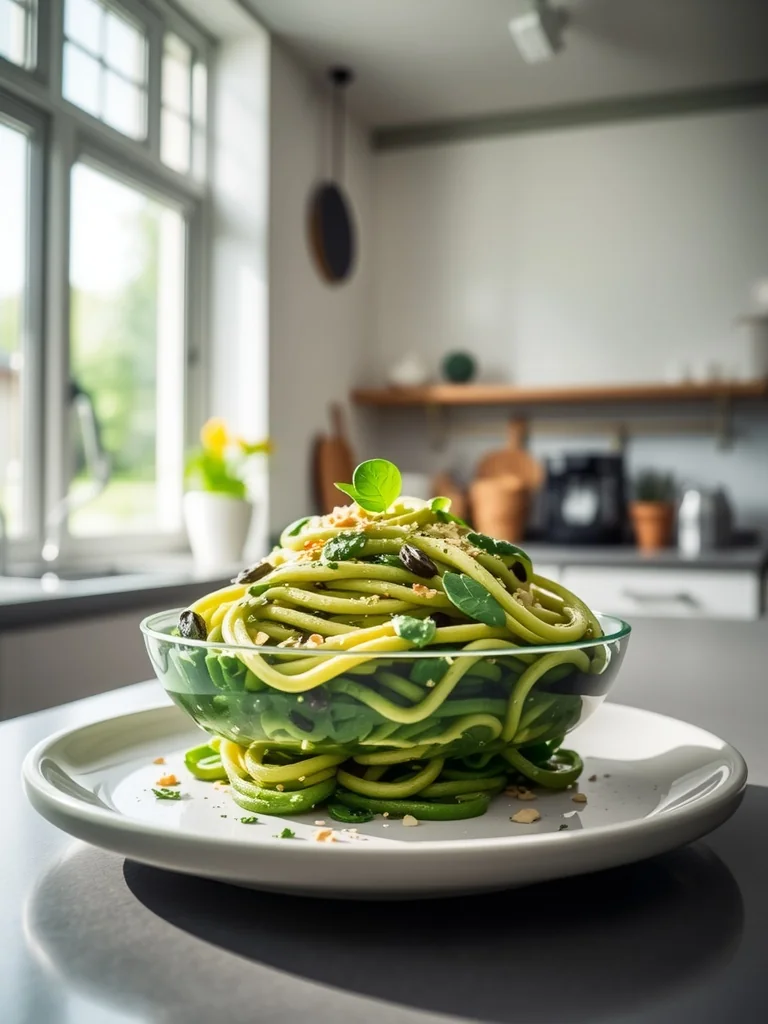
The tradition of pairing fresh spring vegetables with pasta dates back to the Renaissance courts of Italy, where peas and herbs were prized for their bright color and delicate flavor. Over centuries, the dish evolved into a celebration of seasonal bounty, inviting cooks to honor the land’s renewal with each forkful. This classic embraces that heritage while keeping the preparation quick and modern.
Why You'll Love It
-
- Bursting with fresh, seasonal vegetables
-
- Light citrus‑herb sauce that isn’t heavy
-
- Ready in under half an hour, perfect for busy evenings
-
- Nutrient‑rich, low‑calorie comfort
"The pasta tasted like a walk through a spring garden—light, fragrant, and utterly satisfying!"
Essential Ingredient Guide
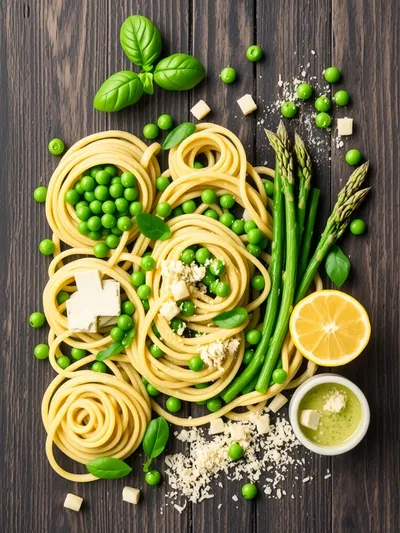
- Fresh Peas: Choose bright green peas; they add sweetness and a pop of color. If using frozen, rinse before adding.
- Asparagus: Trim the woody ends and slice into bite‑size pieces for a crisp‑tender bite.
- Lemon Zest: A little zest lifts the whole dish, adding a fragrant lift without acidity overload.
- Fresh Herbs (basil, parsley): Rough‑chop just before tossing; they keep their bright flavor and aroma.
- Olive Oil: Use a good extra‑virgin oil for richer mouthfeel and subtle fruitiness.
- Parmesan Cheese: A modest sprinkle adds salty depth; optional for vegans.
 Appetizers & Snacks
BBQ Beef Sausage Bites
Four‑ingredient BBQ beef sausage bites that are smoky, sweet, and perfect for sharing.
Complete Cooking Process
-
Ingredient Readiness:
Rinse peas, snap asparagus, zest lemon, and have herbs pre‑chopped; this ensures smooth flow once the pasta cooks.
-
Flavor Development:
Sauté garlic in olive oil, then add asparagus and peas; the vegetables absorb the fragrant oil.
-
Texture Control:
Cook pasta al dente, then reserve a splash of pasta water to loosen the sauce without over‑cooking.
-
Finishing Touches:
Stir in lemon zest, herbs, and a drizzle of olive oil; finish with grated parmesan.
-
Serving Timing:
Serve immediately while the pasta is warm and the herbs are fresh; a gentle garnish of extra zest brightens the plate.
-
Use a pinch of salt in the pasta water to season from within
-
Reserve more pasta water if the sauce feels dry
-
Add peas at the end to keep their bright color
-
Taste and adjust seasoning before plating
Pro Tips
Well, these little tweaks keep the dish lively and prevent it from getting soggy. I always find that a splash of the starchy water does wonders for the silkiness of the sauce. Ugh, it’s such a simple step, but it makes the difference between good and great. So, keep those tips in mind, and you’ll have a springtime plate that feels both comforting and fresh.
 Dinner Recipes
Creamy Tomato Garlic Pasta – Simple, Cheesy & Delicious
A quick, cheesy tomato garlic pasta ready in minutes.
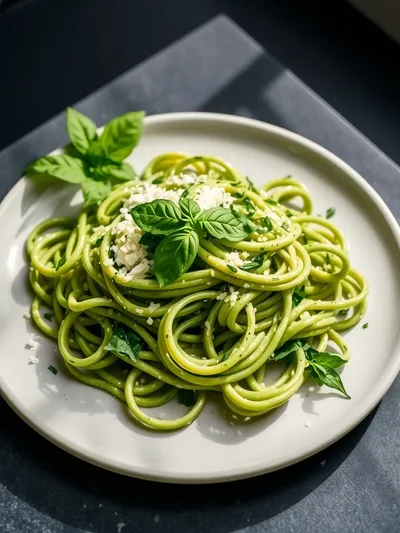
The essence of the dish:
It’s the bright green color from peas and asparagus, the soft bite of pasta, and the fragrant lift of lemon and herbs that makes this pasta special.
A fun fact or historical angle:
In medieval Italy, peas were called “the poor man’s pistachio,” prized for their bright hue and modest price.
Flavor or sensory focus:
You’ll notice the sweet snap of peas, the earthy crunch of asparagus, and the gentle citrus perfume that dances with the fresh herbs.
You Must Know
-
Don’t overcook the peas; they lose their vibrant color
-
Add lemon zest at the end to preserve its aromatic oils
-
Use pasta water to bind the sauce
Frequently Asked Questions
→ Can I use gluten‑free pasta?
Absolutely—any gluten‑free spaghetti or fettuccine works; just follow the package timing.
→ What if fresh peas aren’t in season?
Frozen peas are a great substitute; just thaw and rinse before adding.
→ Can I add protein?
Yes, grilled chicken or sautéed shrimp pair nicely; add after the vegetables are cooked.
→ How do I keep the pasta from sticking?
Toss the hot pasta with a little olive oil immediately after draining.
→ Is this recipe suitable for vegans?
Skip the parmesan or use a vegan alternative; the dish remains flavorful.
→ What herbs work best?
Basil and parsley are classic, but a pinch of mint adds a surprising freshness.
Nutrition Facts
per serving
380
Calories
12g
Protein
60g
Carbs
10g
Fat
Taste Profile
Bright and garden‑fresh with a gentle citrus finish
Ingredient Substitutions
Don't have an ingredient? Try these alternatives
Adjust cooking time according to package directions
Provides a cheesy flavor while keeping the dish vegan
Recipe Variations
Try these delicious twists on the original
Spicy Version
Add a pinch of red pepper flakes and a drizzle of sriracha for a subtle kick.
Mediterranean Style
Include sun‑dried tomatoes, Kalamata olives, and crumbled feta for a briny twist.
Common Mistakes to Avoid
Learn from others' mistakes for perfect results
- Overcooking peas, which turns them mushy and dull in color.
- Adding lemon juice too early, causing the vegetables to brown.
- Using too little pasta water, resulting in a dry sauce.
Meal Prep & Storage
Make Ahead Tips
You can blanch the peas and asparagus up to 24 hours ahead, store in the fridge, and add them at the final toss.
Leftover Ideas
Reheat gently in a skillet with a splash of broth or water; avoid microwaving which can make the pasta mushy.
Perfect Pairings
Serve this with...
Cooking Timeline
Bring water to boil, prep vegetables, zest and juice lemon.
Cook pasta; reserve pasta water.
Sauté garlic, then add asparagus and peas.
Combine sauce ingredients, add pasta, toss with veggies.
Finish with herbs, lemon zest, cheese; serve immediately.
 Appetizers & Snacks
Texas Trash Dip – Gooey Cheesy Party Favorite
A gooey cheesy dip perfect for game night gatherings.
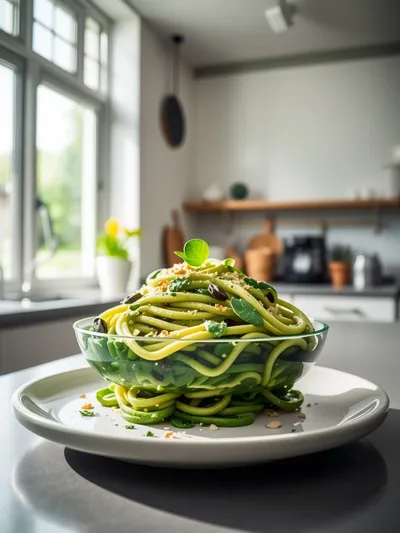
Spring Green Pasta
Enjoy a bright, nutritious Spring Green Pasta loaded with fresh vegetables, herbs, and a light sauce—perfect for a quick, healthy meal that feels like a gentle spring breeze on the palate.
Timing
Prep Time
15 Minutes
Cook Time
20 Minutes
Total Time
35 Minutes
Recipe Details
Ingredients
Main Ingredients
-
01
12 oz whole‑wheat pasta (or gluten‑free spaghetti)
-
02
1 cup fresh peas (or frozen, thawed)
-
03
1 bunch asparagus, trimmed and cut into 1‑inch pieces
-
04
2 tbsp extra‑virgin olive oil
-
05
2 cloves garlic, minced
-
06
Zest of 1 lemon
-
07
2 tbsp freshly chopped basil
-
08
2 tbsp freshly chopped parsley
-
09
¼ cup grated Parmesan cheese (optional)
-
10
Salt and freshly ground black pepper to taste
For the Light Sauce
-
01
¼ cup low‑sodium vegetable broth
-
02
1 tbsp lemon juice
-
03
1 tsp Dijon mustard
-
04
Pinch of red pepper flakes (optional)
Instructions
Bring a large pot of salted water to a boil, add pasta, and cook until al dente; reserve ½ cup pasta water before draining.
While pasta cooks, heat olive oil in a large skillet over medium heat, add minced garlic and sauté until fragrant, about 30 seconds.
Add asparagus pieces to the skillet, toss for 2–3 minutes, then stir in peas; cook just until bright green, about another 2 minutes.
Whisk together vegetable broth, lemon juice, Dijon mustard, and red pepper flakes; pour into the skillet, bringing to a gentle simmer.
Add the drained pasta to the sauce, tossing to coat; use reserved pasta water as needed to achieve a silky consistency.
Remove from heat, stir in lemon zest, chopped basil, parsley, and grated Parmesan if using; season with salt and pepper.
Serve immediately, garnished with an extra sprinkle of Parmesan and a twist of lemon zest.
Notes & Tips
-
1
If you prefer a richer taste, drizzle a little extra‑virgin olive oil just before serving.
-
2
For a vegan version, omit Parmesan or use nutritional yeast.
-
3
A splash of white wine (non‑alcoholic) can replace half the broth for added depth.
 Quick & Easy Recipes
High Protein Turkey Pizza Rolls
Crispy, cheesy turkey pizza rolls packed with protein – perfect for a quick snack or light meal.
Tools You'll Need
-
Large pot
-
Colander
-
Large skillet or sauté pan
-
Wooden spoon
-
Zester or microplane
-
Chef’s knife
-
Measuring cups
Must-Know Tips
-
Don’t overcrowd the pan, Cook in batches if needed to keep vegetables crisp.
-
Reserve pasta water early, it helps bind the sauce.
-
Taste as you go, Adjust seasoning before plating.
Professional Secrets
-
Room temperature vegetables, Ensure even cooking.
-
High heat for quick sear, Locks in fresh flavor.
-
Finish with a cold splash of lemon zest, Captures aromatic oils.
Recipe by
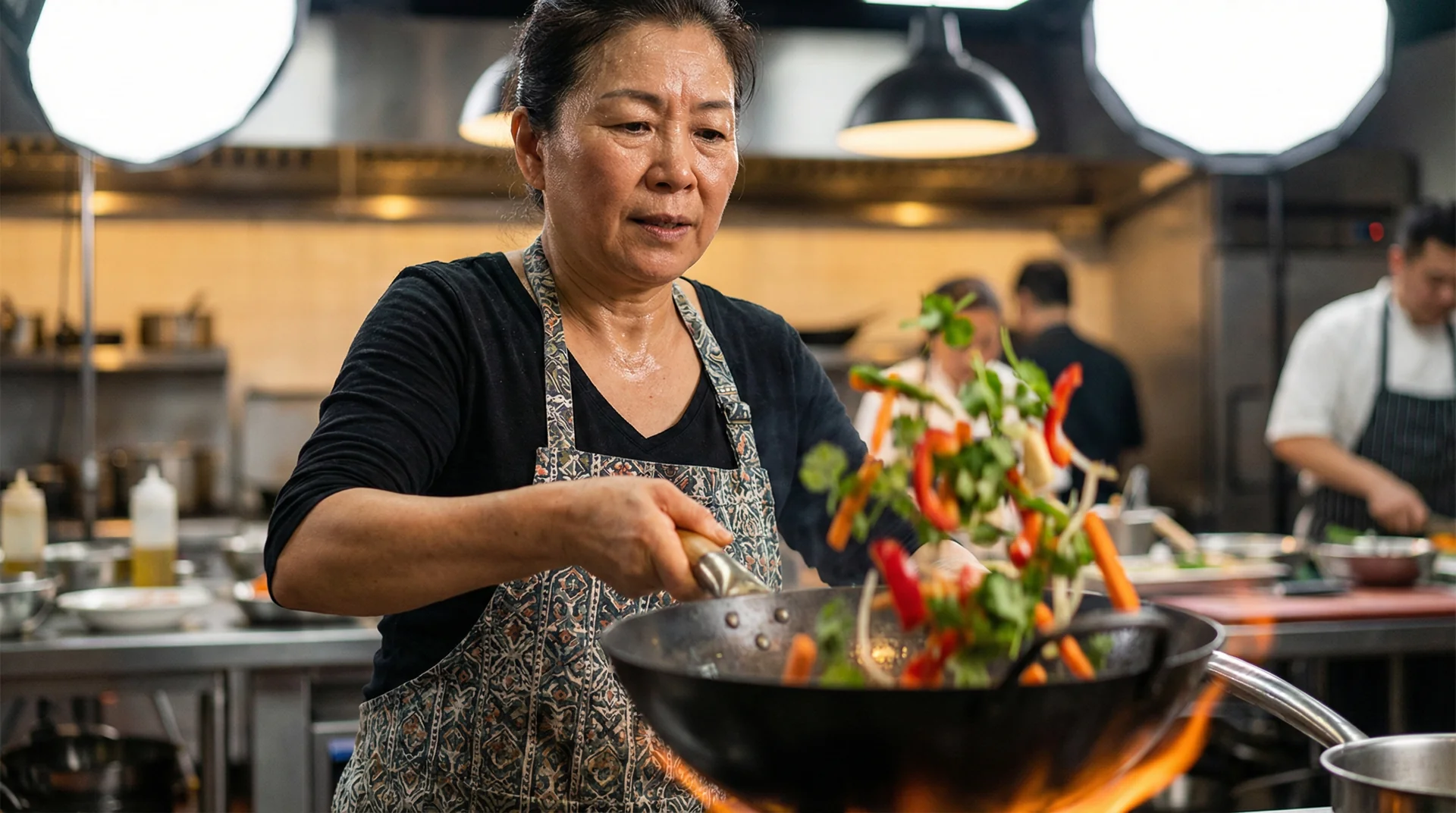
MargaretMargaret is a seasoned food blogger and recipe creator who brings a fresh, approachable voice to Lancefood’s vibrant culinary community. With over eig ...
Get Delicious Recipes Weekly
Join 25,000+ home cooks getting our best recipes straight to their inbox.
Free forever • No spam • Unsubscribe anytime