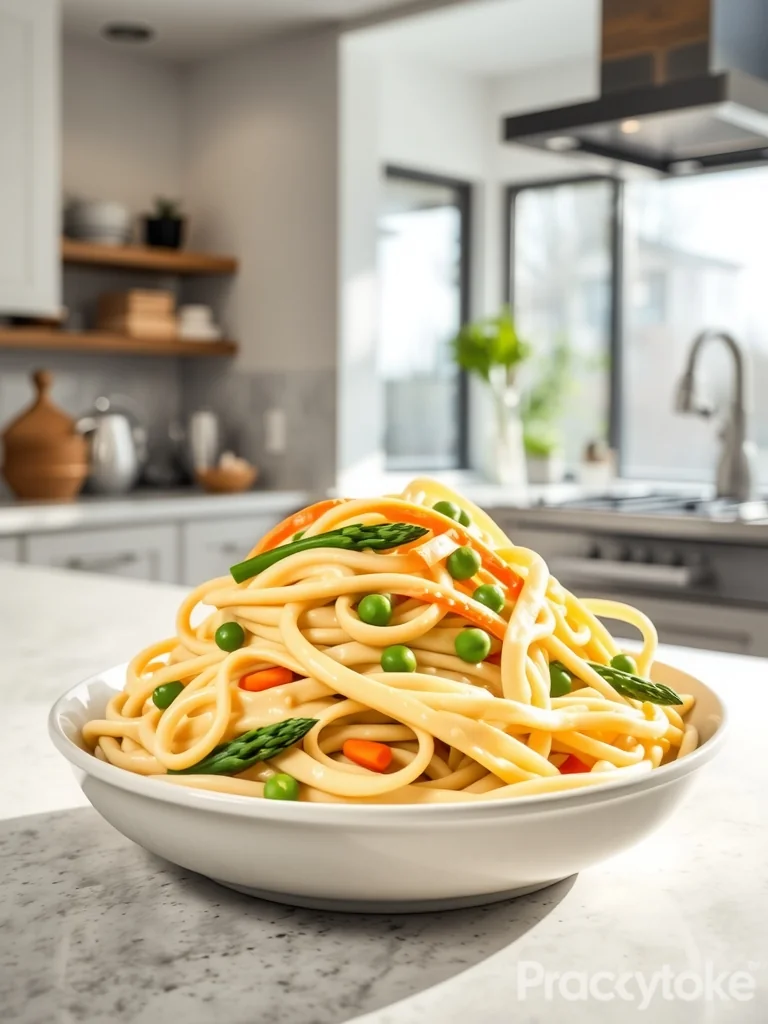
Originating from the classic Italian alfredo sauce that was first popularized in early 20th‑century Rome, this version embraces the freshness of spring. The original alfredo was a buttery, cheesy concoction that paired beautifully with fettuccine, and today cooks everywhere add vegetables to brighten the dish. By blending tradition with seasonal produce, the recipe offers a comforting yet lively plate that celebrates renewal without straying far from its roots.
Why You'll Love It
-
- Bright spring vegetables add sweet crunch and color
-
- Creamy sauce coats each noodle perfectly without being heavy
-
- Ready in under 30 minutes for busy evenings
-
- Soft buttery flavor that feels like a warm embrace
"This is the most comforting spring pasta I've ever made—creamy, fresh, and so easy!"
Essential Ingredient Guide
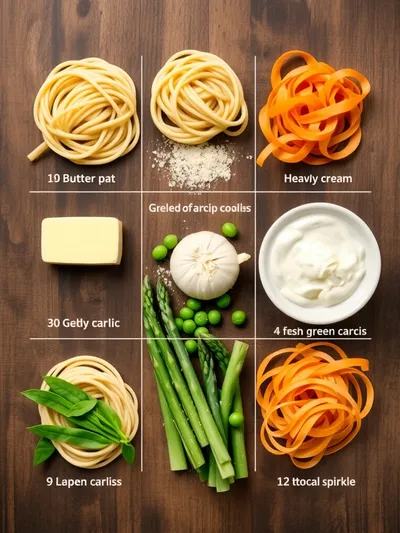
- Fettuccine pasta: Choose good-quality durum wheat fettuccine; it holds sauce well and gives a pleasant bite.
- Asparagus: Trim the woody ends and cut into bite‑size pieces; it adds a fresh, grassy note.
- Green peas: Fresh or frozen peas bring a pop of sweetness that balances the richness of the sauce.
- Parmesan cheese: Freshly grated adds salty depth and helps thicken the alfredo.
- Lemon zest: A little zest lifts the sauce, brightening the overall flavor.
- Heavy cream: Use a cream with at least 35% fat for a silky texture; it’s the heart of the sauce.
 Appetizers & Snacks
BBQ Beef Sausage Bites
Four‑ingredient BBQ beef sausage bites that are smoky, sweet, and perfect for sharing.
Complete Cooking Process
-
Ingredient Readiness:
Trim and slice vegetables, grate cheese, and bring a large pot of salted water to a rolling boil.
-
Flavor Development:
Sauté garlic and asparagus in butter, then add peas so the vegetables stay bright and tender.
-
Texture Control:
Cook fettuccine al dente, then toss it into the pan so the pasta absorbs a bit of the butter before the sauce arrives.
-
Finishing Touches:
Stir in cream, cheese, and lemon zest, letting the sauce thicken just enough to cling to each noodle.
-
Serving Timing:
Serve immediately while the sauce is glossy and the vegetables are still warm and slightly crisp.
-
Reserve a cup of pasta water; it helps bind the sauce.
-
Taste and adjust salt after adding cheese.
-
Add a pinch of nutmeg for subtle warmth.
-
Finish with a drizzle of extra‑virgin olive oil for shine.
Pro Tips
I often find that a splash of the starchy water makes the sauce glide like satin, especially on cooler evenings. Also, a quick flick of freshly ground pepper right before plating adds a gentle bite that balances the creaminess. Yeah, those little tweaks turn a good dish into a memorable one.
 Dinner Recipes
Creamy Tomato Garlic Pasta – Simple, Cheesy & Delicious
A quick, cheesy tomato garlic pasta ready in minutes.
The essence of the dish:
It’s the harmony of buttery alfredo, spring’s crisp vegetables, and the comforting heft of fettuccine that makes this plate feel both indulgent and light.
A fun fact or historical angle:
Alfredo sauce was originally a simple mix of butter and Parmesan created for rich diners in Rome; it only later expanded with cream in American adaptations.
Flavor or sensory focus:
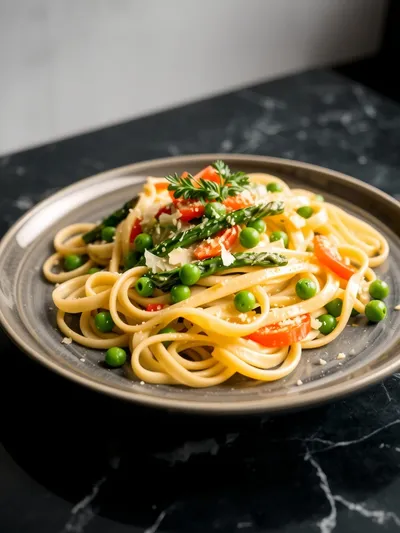
You’ll notice the velvety cream, the salty Parmesan, and the fresh snap of asparagus—each bite feels like a soft, buttery whisper followed by a bright, garden‑grown pop.
You Must Know
-
Don’t overcook the pasta; al dente keeps texture.
-
Add peas at the end to keep their color vibrant.
-
Use freshly grated cheese for best melt.
Frequently Asked Questions
→ Can I use whole‑wheat fettuccine?
Yes, whole‑wheat works fine; just add a touch more cream to keep the sauce from feeling too dense.
→ What if I don’t have fresh asparagus?
Frozen asparagus tips are a good substitute; thaw and pat dry before adding.
→ Is there a dairy‑free version?
Swap heavy cream for coconut cream and use nutritional yeast instead of Parmesan; the flavor changes but remains comforting.
→ How long can leftovers be stored?
Refrigerate in an airtight container for up to 3 days; gently reheat with a splash of milk to loosen the sauce.
→ Can I add protein like chicken?
Absolutely—sautéed chicken strips or grilled shrimp make the dish heartier.
→ What herbs work well with this recipe?
A light sprinkle of fresh basil or thyme at the end adds aromatic brightness.
Nutrition Facts
per serving
460
Calories
16g
Protein
48g
Carbs
22g
Fat
Taste Profile
Rich and comforting with fresh garden notes
Ingredient Substitutions
Don't have an ingredient? Try these alternatives
Adjust thickness by simmering a bit longer.
Gives a sharper, saltier flavor.
Recipe Variations
Try these delicious twists on the original
Spicy Version
Add a pinch of red pepper flakes and a dash of sriracha for a subtle kick.
Mediterranean Style
Include sun‑dried tomatoes, olives, and crumbled feta for a briny twist.
Common Mistakes to Avoid
Learn from others' mistakes for perfect results
- Overcooking the pasta, which leads to a mushy texture.
- Adding peas too early, causing them to lose their vibrant color.
- Letting the cream boil vigorously, which can cause it to split.
Meal Prep & Storage
Make Ahead Tips
You can trim and slice the vegetables up to a day ahead; store them in a sealed bag with a damp paper towel to keep them crisp.
Leftover Ideas
Reheat gently in a skillet over low heat, adding a splash of milk to restore creaminess, and stir until heated through.
Perfect Pairings
Serve this with...
Cooking Timeline
Prep all vegetables, grate cheese, and bring water to a boil.
Cook fettuccine al dente; reserve pasta water.
Sauté garlic, then add asparagus and peas; cook until bright.
Add cream and Parmesan, simmer to thicken; adjust consistency.
Combine pasta with sauce, toss with lemon zest, season, and serve.
 Appetizers & Snacks
Texas Trash Dip – Gooey Cheesy Party Favorite
A gooey cheesy dip perfect for game night gatherings.
Spring Vegetable Fettuccine Alfredo
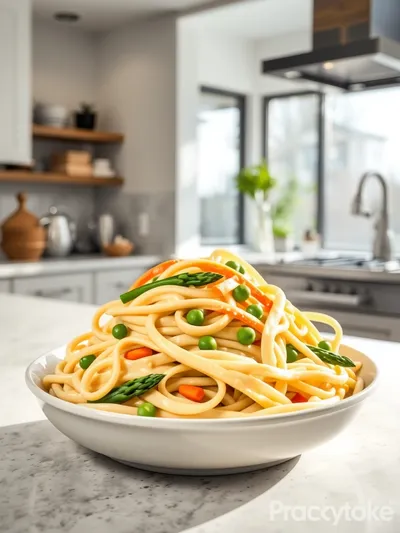
A comforting bowl of spring vegetable fettuccine alfredo that sings with the gentle sweetness of peas, the snap of asparagus, and a buttery, creamy sauce. I remember the first time I tossed fresh pasta with garden vegetables—honestly, it felt like the season itself was on the plate. This dish is quick, bright, and just the right amount of indulgent for a weekday dinner.
Timing
Prep Time
15 Minutes
Cook Time
20 Minutes
Total Time
35 Minutes
Recipe Details
Ingredients
Main Ingredients
-
01
12 oz fettuccine pasta
-
02
1 bunch asparagus, trimmed and cut into 2‑inch pieces
-
03
1 cup fresh or frozen green peas
-
04
1 tablespoon butter
-
05
2 cloves garlic, minced
-
06
1 cup heavy cream
-
07
3/4 cup freshly grated Parmesan cheese
-
08
Zest of 1 lemon
-
09
Salt and freshly ground black pepper to taste
-
10
2 teaspoons olive oil
Instructions
Bring a large pot of salted water to a boil; add the fettuccine and cook until al dente, about 9‑10 minutes. Reserve 1 cup of pasta water, then drain.
While the pasta cooks, heat olive oil and butter in a large skillet over medium heat. Add the garlic and sauté for 30 seconds until fragrant.
Add the asparagus pieces and sauté for 3‑4 minutes, then stir in the peas; cook another 2 minutes until vegetables are bright and just tender.
Pour in the heavy cream, bring to a gentle simmer, and stir in the Parmesan cheese until the sauce thickens, about 3 minutes. If needed, thin with reserved pasta water.
Add the cooked fettuccine to the skillet, toss to coat, then fold in the lemon zest, salt, and pepper. Serve immediately, garnished with extra Parmesan and a drizzle of olive oil.
Notes & Tips
-
1
For an extra layer of flavor, toast the Parmesan briefly before adding it to the sauce.
-
2
If the sauce seems too thick, add a splash more pasta water or a little milk.
-
3
A pinch of nutmeg can add warmth without overpowering the freshness.
 Quick & Easy Recipes
High Protein Turkey Pizza Rolls
Crispy, cheesy turkey pizza rolls packed with protein – perfect for a quick snack or light meal.
Tools You'll Need
-
Large pot
-
Colander
-
Large skillet
-
Wooden spoon
-
Microplane or fine grater
-
Measuring cups and spoons
Must-Know Tips
-
Don’t overcrowd the pan; cook vegetables in batches if needed.
-
Let the sauce simmer gently; high heat can cause the cream to separate.
-
Taste as you go, adjusting salt and pepper for balance.
Professional Secrets
-
Room temperature cream blends more smoothly with cheese.
-
Finish the sauce off‑heat to preserve the butter’s glossy sheen.
-
Reserving pasta water adds starch that binds the sauce.

Recipe by
ChristinaChristina is a celebrated food blogger and recipe creator at Lancefood, where she blends culinary expertise with a genuine love for home‑cooked goodne ...
Get Delicious Recipes Weekly
Join 25,000+ home cooks getting our best recipes straight to their inbox.
Free forever • No spam • Unsubscribe anytime